
The Allure of Casinos
The appeal of casinos can be traced back to their vibrant atmosphere and the promise of potential rewards. For many, the sensory overload of sights, sounds, and experiences creates a thrilling environment that draws them in. Bright lights and ringing slot machines evoke excitement, and the anticipation of winning engenders a sense of hope, especially when players seek the best online pokies that enhance their experience. This combination of sensory stimulation significantly impacts the gambling psychology, compelling individuals to engage repeatedly despite the risks.
Additionally, casinos are designed meticulously to encourage prolonged engagement. The absence of clocks, the placement of games, and the alluring décor all contribute to a feeling of timelessness. Players often lose track of time and become engrossed in the gambling experience. This strategic design manipulates the psychological state of players, fostering an environment where they are likely to spend more money and time than initially intended.
The social aspect of casinos also plays a significant role in their attractiveness. Many gamblers enjoy the camaraderie and shared excitement experienced in bustling gaming halls. Whether celebrating a win with fellow players or simply feeding off the energy of the crowd, this social interaction can enhance the overall enjoyment. Such connections can create a sense of community, further obscuring the risks involved with gambling and making it more appealing to those seeking entertainment and socialization.
The Role of Risk and Reward
The delicate balance between risk and reward is a central theme in the psychology of gambling. Gamblers often find themselves captivated by the thrill of risk-taking, where the prospect of winning large sums of money can overshadow the possibility of loss. This phenomenon can stem from the brain’s response to risk, which can trigger feelings of excitement and adrenaline. The brain’s reward center becomes active, releasing dopamine, which reinforces the desire to gamble.
This thrill can lead to a phenomenon known as «chasing losses.» When individuals experience a loss, they may feel compelled to continue gambling in an attempt to recover their money. This behavior can prove detrimental, as it often leads to even greater losses. Understanding this psychological tendency is crucial for both gamblers and those who support them, as it highlights the importance of recognizing when this high-stakes behavior becomes harmful.
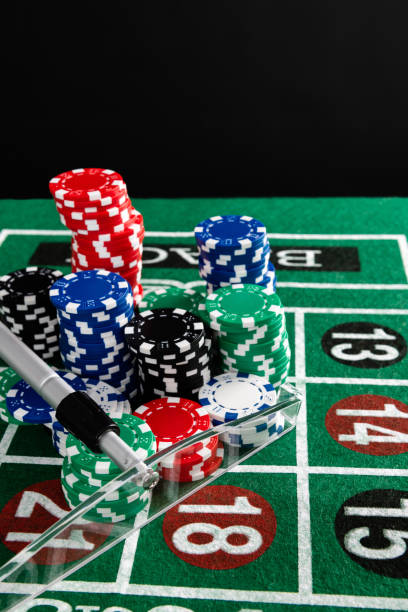
The reinforcement of intermittent rewards also plays a critical role in gambling behavior. Variable rewards create a sense of unpredictability that can make the experience even more exhilarating. When gamblers win sporadically, the excitement is amplified, leading them to believe that the next bet could be the big one. This unpredictable nature of winnings can keep players returning, even if they are not consistently profiting from their gambling activities.
The Impact of Cognitive Biases
Cognitive biases significantly influence gambling behavior, often skewing an individual’s perception of their chances of winning. One common bias is the «gambler’s fallacy,» where players believe that past outcomes impact future results. For instance, a player might think that if a roulette wheel has landed on red several times in a row, black is now «due.» Such misconceptions can lead to misguided betting strategies and an elevated risk of loss.
Another prevalent cognitive bias in gambling is overconfidence, where individuals believe they have a greater control over outcomes than they actually do. Many gamblers pride themselves on their ability to read situations or «predict» the outcome of games. This overconfidence can result in larger bets and riskier behavior, which may lead to significant financial losses. Recognizing these cognitive biases is a crucial step in understanding the psychological factors that contribute to gambling behavior.
Furthermore, confirmation bias can play a role in reinforcing gambling habits. Gamblers often seek out information or experiences that validate their belief in winning strategies or their skills. When they win, they may attribute the success to their exceptional abilities; when they lose, they might blame external factors. This tendency to overlook evidence that contradicts their beliefs can create a cycle that perpetuates gambling behavior and makes it challenging to break free from its hold.
The Emotional Journey of Gamblers
The emotional experience of gambling often oscillates between elation and despair. The initial thrill of placing a bet can be exhilarating, filled with hope and anticipation. Winning can lead to euphoric feelings, as the sense of achievement fuels aspirations for continued success. However, the emotional rollercoaster can take a drastic turn with each loss, leading to feelings of disappointment, frustration, and even shame.

Many gamblers struggle with these conflicting emotions, often leading to a cycle of addiction. The desire to recapture lost money can lead to increased stakes and a greater emotional investment in each game. This cycle can be damaging not only to the gambler but also to their relationships with family and friends, as emotional withdrawal and secrecy often accompany these struggles. Understanding the emotional aspects of gambling can help individuals recognize their vulnerabilities and seek help when needed.
Additionally, the social stigma surrounding problem gambling can exacerbate emotional struggles. Many individuals may feel embarrassed or ashamed to admit they have a problem, leading to isolation. This silence can prevent them from seeking support and resources that can aid in their recovery. Creating an open dialogue about the emotional challenges of gambling can help break down these barriers and encourage those in need to seek help.
Understanding Gambling Responsibility
Responsible gambling is an essential concept that aims to promote safe practices among players. The awareness of personal limits and the understanding of the inherent risks associated with gambling are crucial in preventing addiction. Implementing strategies such as setting a budget and adhering to time limits can help mitigate the risks and ensure that players approach gambling as a form of entertainment rather than a means of financial gain.
Education plays a significant role in fostering responsible gambling. Many casinos and organizations provide resources to educate players about the risks and encourage healthy habits. Programs can include informative materials on recognizing the signs of problem gambling and the importance of taking breaks. By promoting a responsible gambling culture, casinos can create a more sustainable environment that prioritizes the well-being of their patrons.
In addition, support systems are vital for individuals struggling with gambling issues. Many organizations offer counseling and support groups that focus on recovery and rehabilitation. These resources provide a safe space for individuals to share their experiences and learn from others who have faced similar challenges. By raising awareness of available support, individuals can find the help they need to regain control over their gambling habits and lead healthier lives.